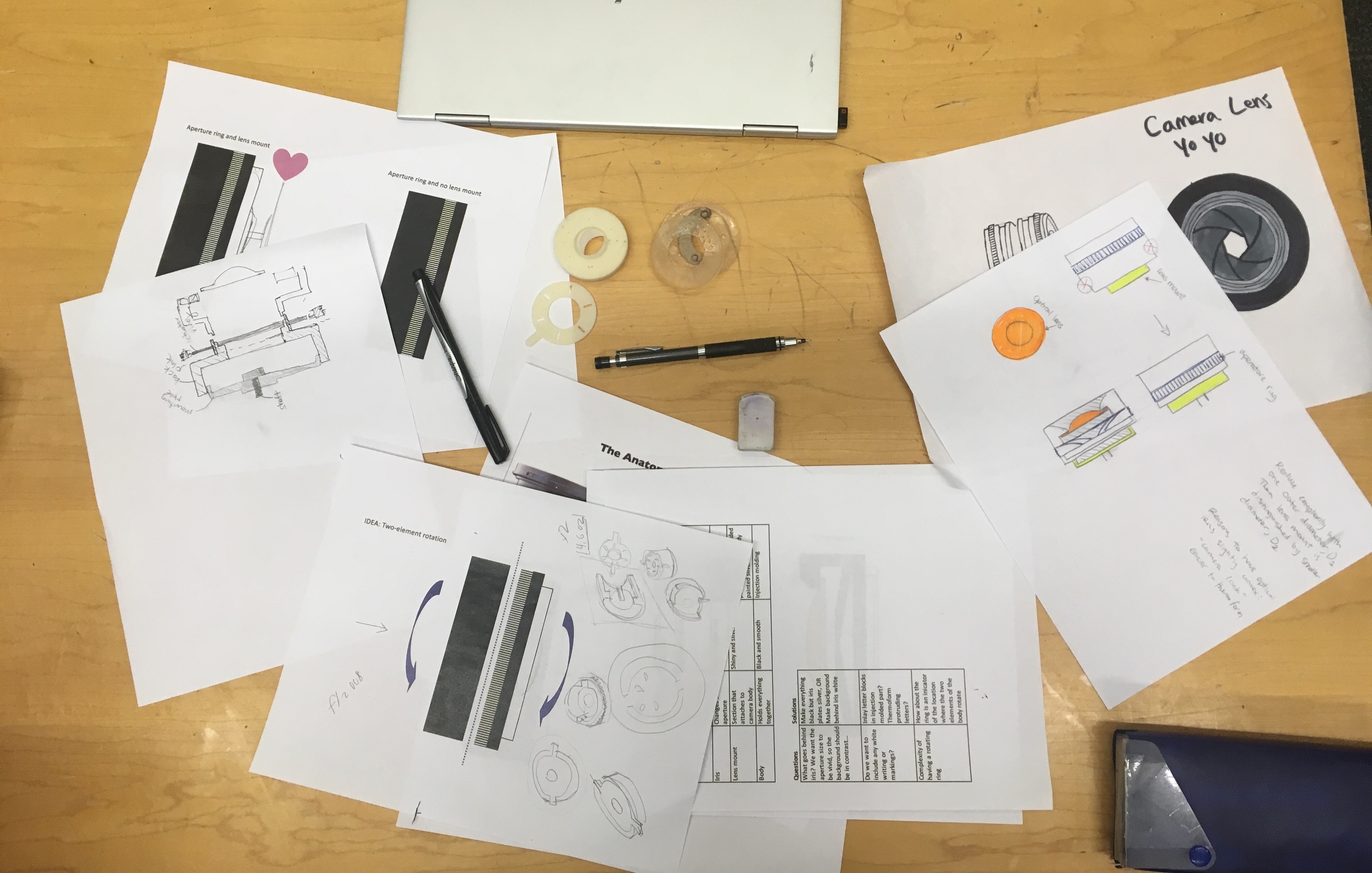
We are getting *focused* and fleshing out our yoyo design this week!
We made a few major decisions as a team:
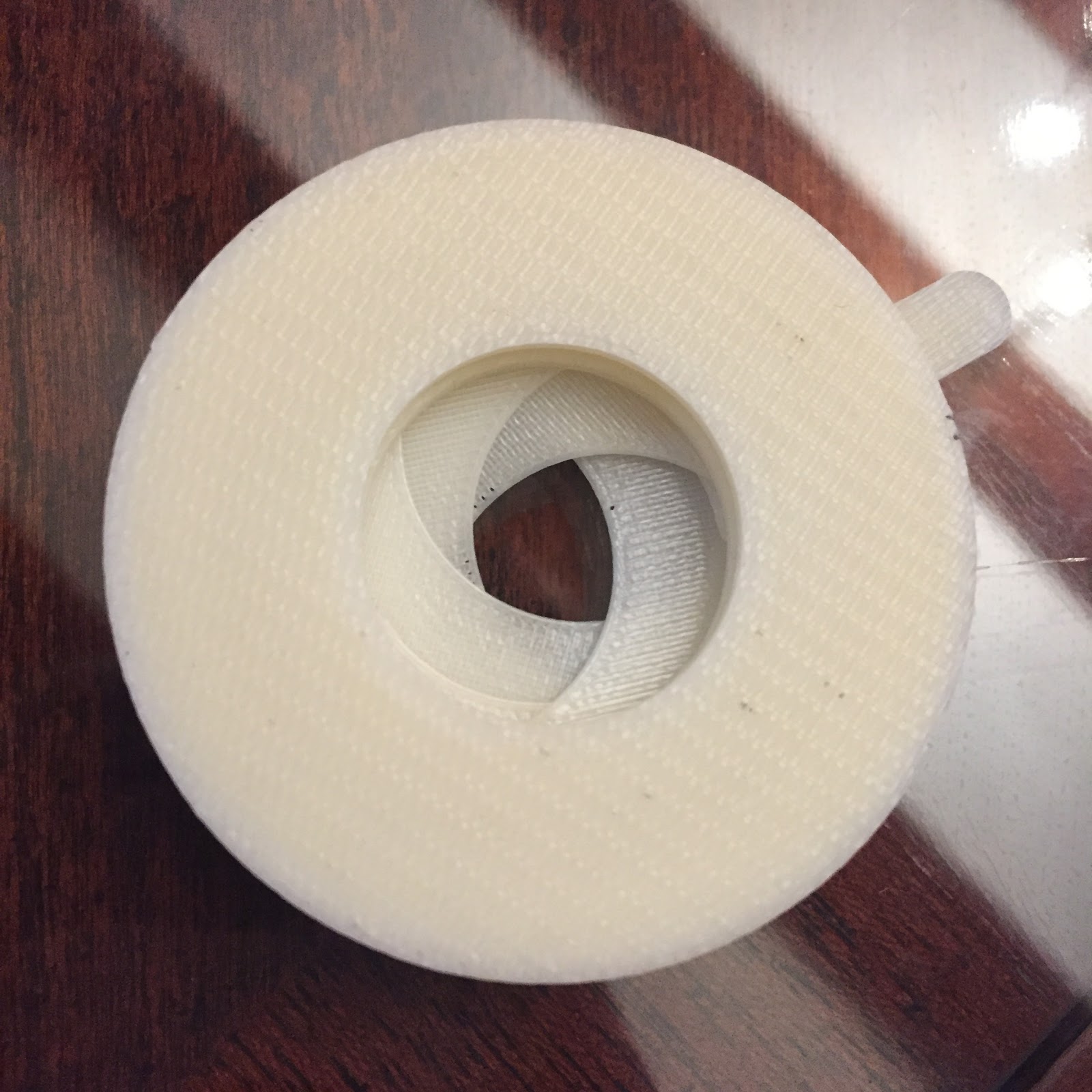
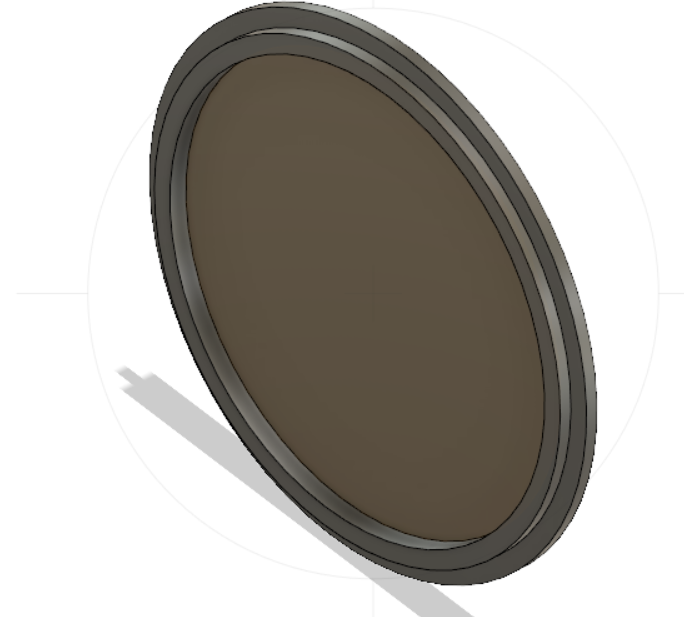
- Patrick printed this iris mechanism which is actuated by a tab that comes out of the side. Because the top and bottom of the mechanism remain static, we think this is a good way to incorporate a rotating ring in the middle of the lens. To make the mechanism more applicable to our design, we plan to do the following:
- Widen the pins on the iris “leaves” – the parts that open and close the aperture- to make them more robust
- Reduce the number of leaves to simplify the mechanism (this one has 6 leaves)
- Mandy used a Canon EF 40mm f/2.8 STM lens to extract the major dimensions of our part
- Max decided on some important features to include to make the yoyo identifiable as a camera lens:
- Aperture ring near the back of the lens
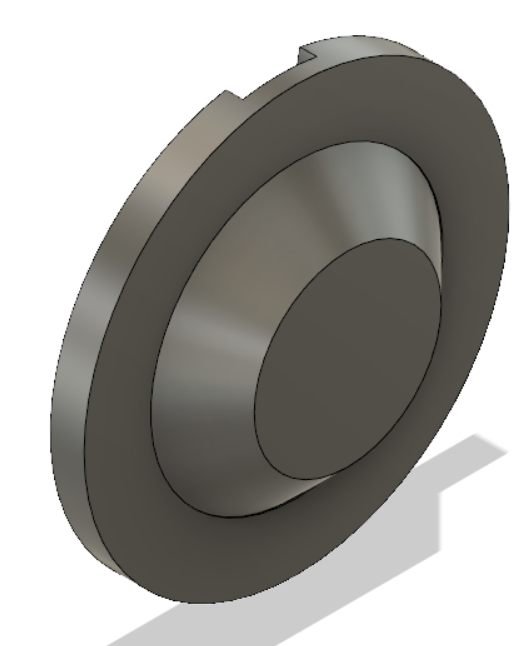
- Include smaller diameter mounting ring (which doubles as a good step-down to where the string wraps)
- Some type of white text on the side face of the lens
- We could spray-paint on “f/2.008” or print out stickers
Based on these decisions, this is our anticipated part breakdown:
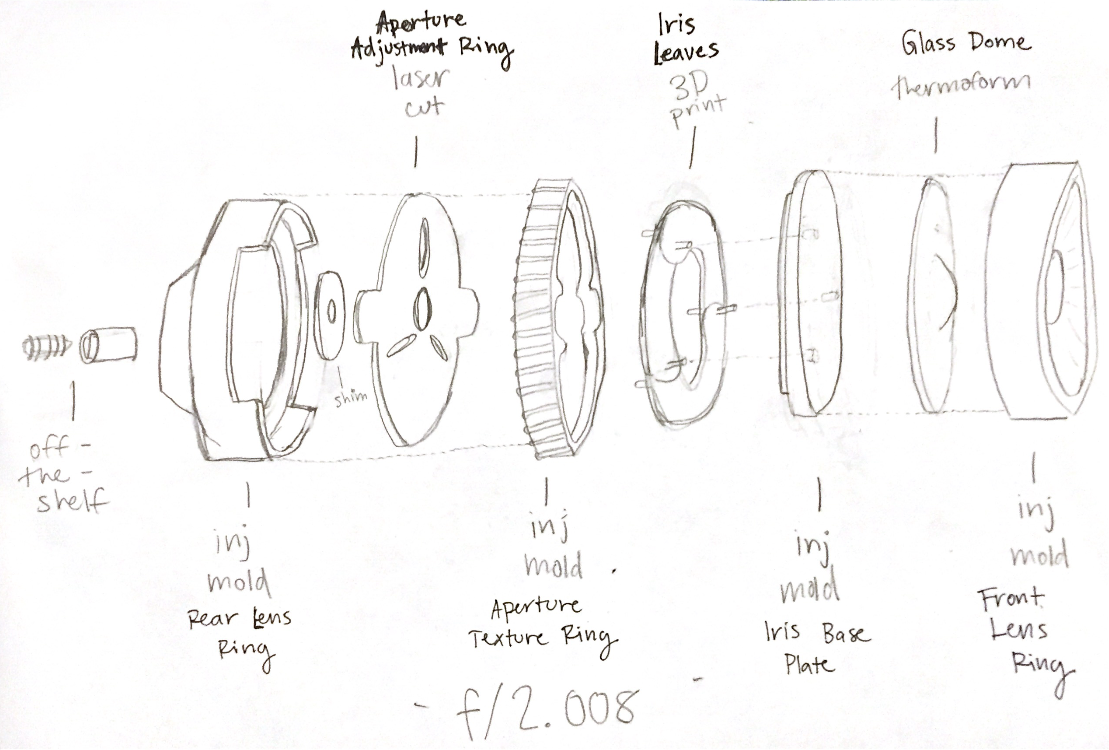
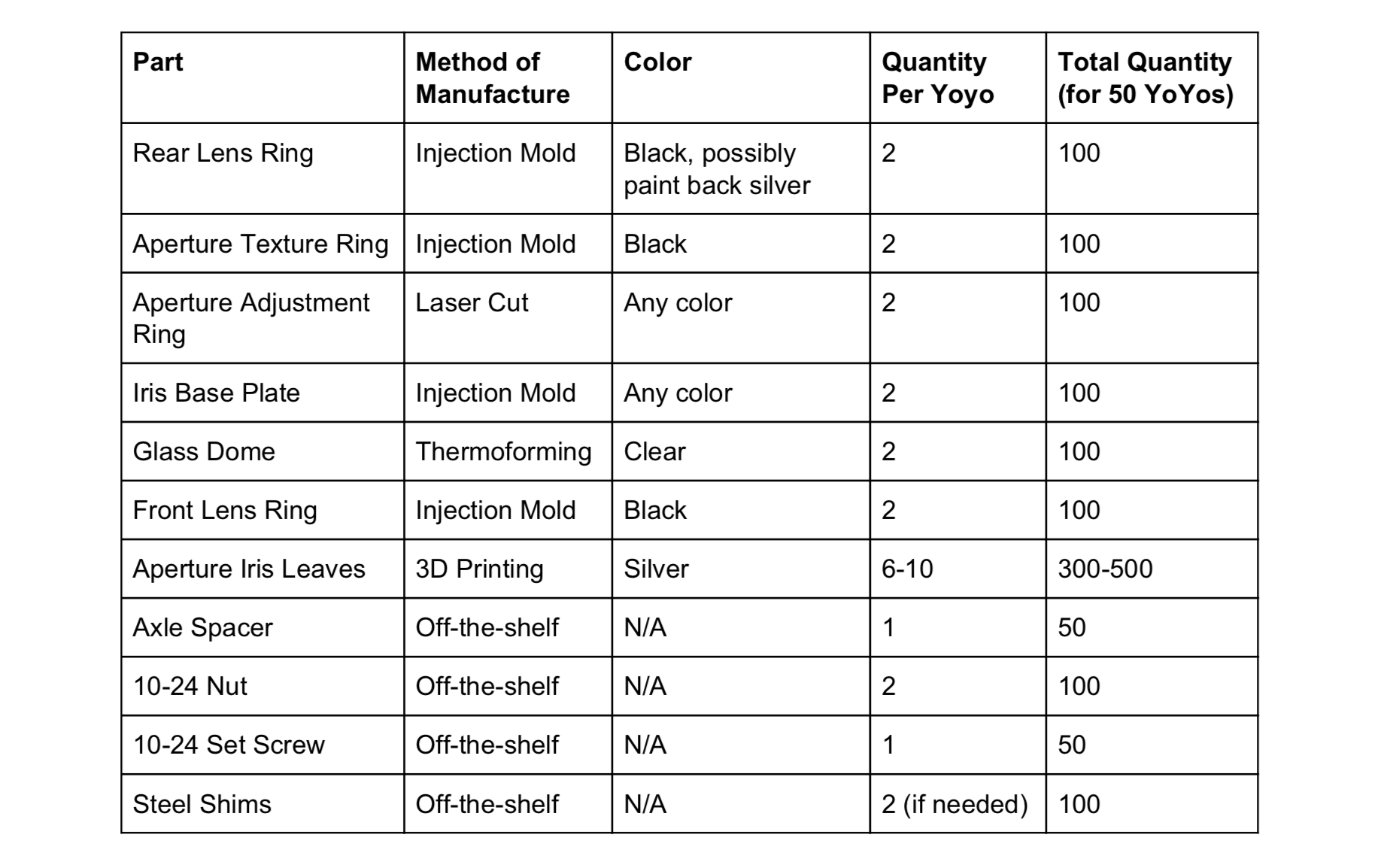
This comes to a total of 20+ parts per yoyo. We are continuing to think about ways to simplify the iris mechanism, as its design mandates breaking what would normally be a single injection molded piece into 2-3 pieces.
We have a couple of major manufacturing questions going forward:
- Iris Leaves. The iris leaves first seem like they would be easy to laser cut or waterjet, but the mechanism requires a pin sticking out of one end. Therefore, we think that 3D printing is the most effective way to product them. However, since 3D printing is slow when producing 300+ parts, we would love more ideas about how to produce the leaves!
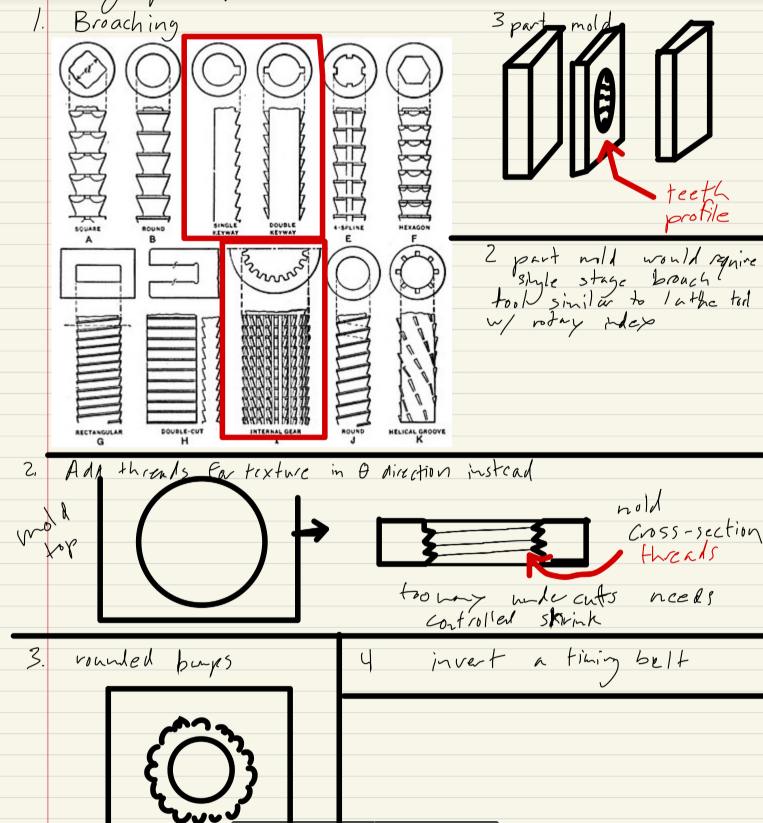
- Aperture Ring: Aperture rings have a detailed texture on the side, which is difficult to product in injection molding without creating small cavities for the plastic to get stuck in. Kevin brainstormed a few ways to produce this part:

 f/2.008